Girls In Motion – Breaking Barriers in Women’s Squash

Sally Archibald still remembers the feeling of standing outside the squash courts, searching for an entryway into a sport that had already captured her imagination. She was determined to play, but as a young woman, the path seemed obscured by a sport she describes as “inward-looking.”
Squash, for all its intensity and tactical brilliance, has long struggled with accessibility, particularly for women. Archibald’s voice carries that awareness as she talks about her experiences and the future she envisions for girls like her daughter, who now faces many of the same barriers she once did.
“Why can’t it be equal for girls?” Archibald asks.
Her question isn’t rhetorical – it’s the foundation of her work as the founder of Girls In Motion, a charity dedicated to levelling the playing field for girls in squash. What began as a personal mission to ensure her daughter had a fair shot at playing the game has turned into something much larger.
Archibald’s charity is addressing systemic gender inequalities that continue to shape the sport.
For many squash enthusiasts, the idea that girls and women are marginalised within the game may come as a surprise. After all, squash has seen its share of female champions – Nicol David, Laura Massaro, Nour El Sherbini, to name a few – who have showcased the sport’s brilliance at the highest level and represented different races and regions in the process.
Yet, the reality at the grassroots level is starkly different. “There’s nowhere for young girls to go. They’re just going to fall away from squash,” Archibald says, describing the bleak future many young girls face once they step off the junior courts.
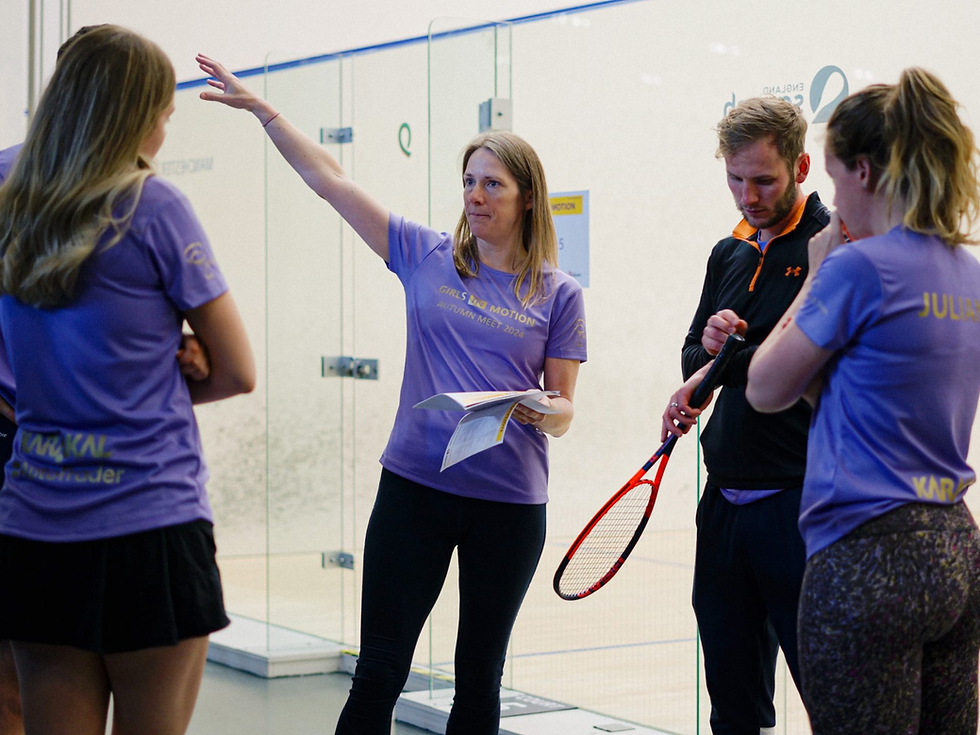

“I like playing squash – I love the game. I think it’s great exercise and great fun when the environment is right. Squash courts are hidden away and I was looking for them, and I still couldn’t find them, and certainly couldn’t find anyone to play.
“It’s only because I really, really wanted to keep playing that I kept going. But I’m passionate and care about women’s squash and I want to make sure that our sport is equal for men and women.”
It’s a problem not unique to squash. Across all sports, research from the charity Women in Sport reveals that 43% of teenage girls disengage from sports after primary school, compared with 24% of boys.
The reasons are complex but all too familiar – fear of judgment, body image concerns, and a lack of confidence.
“Girls are naturally different from boys and need more encouragement to try something new,” Archibald observes. In squash, the physical setup of the courts – a game played in an echoing box with an audience peering in – can make those insecurities even sharper.
“It’s noisy, echoey, and you’re in a fish tank,” she says, vividly illustrating the experience of stepping onto a court as a young girl feeling exposed and uncertain.
“So we have to ask what can we do to encourage girls and I think it’s just creating those environments with the right people, encouraging the girls, providing them with the right equipment, and making them feel safe and welcomed within that space.
“It’s not just throwing them on a court with all the boys. Because girls aren’t necessarily like that, especially if they’ve not got the confidence in hitting the ball. You’re very much on show on the squash court. So it’s about making them feel comfortable and letting them know that everyone is the same boat together – they’re not just going onto court to be stared at and shouted at from the balcony.”
Girls In Motion seeks to change that experience. Archibald’s vision is simple but powerful: create a space where girls can play squash without the pressures that often accompany sports participation for them.
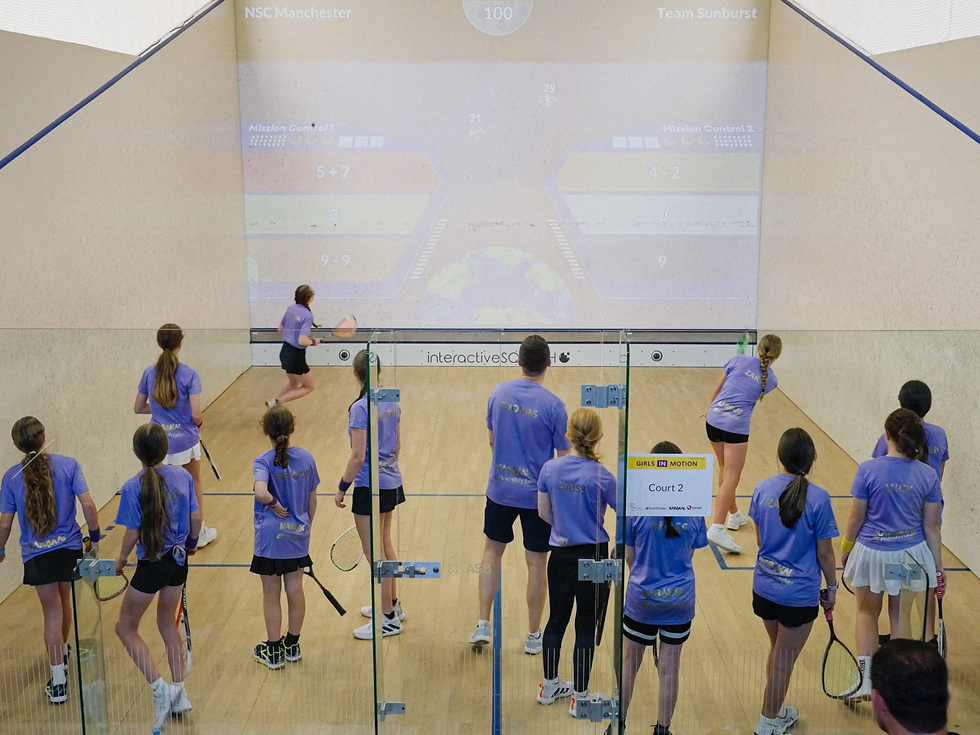

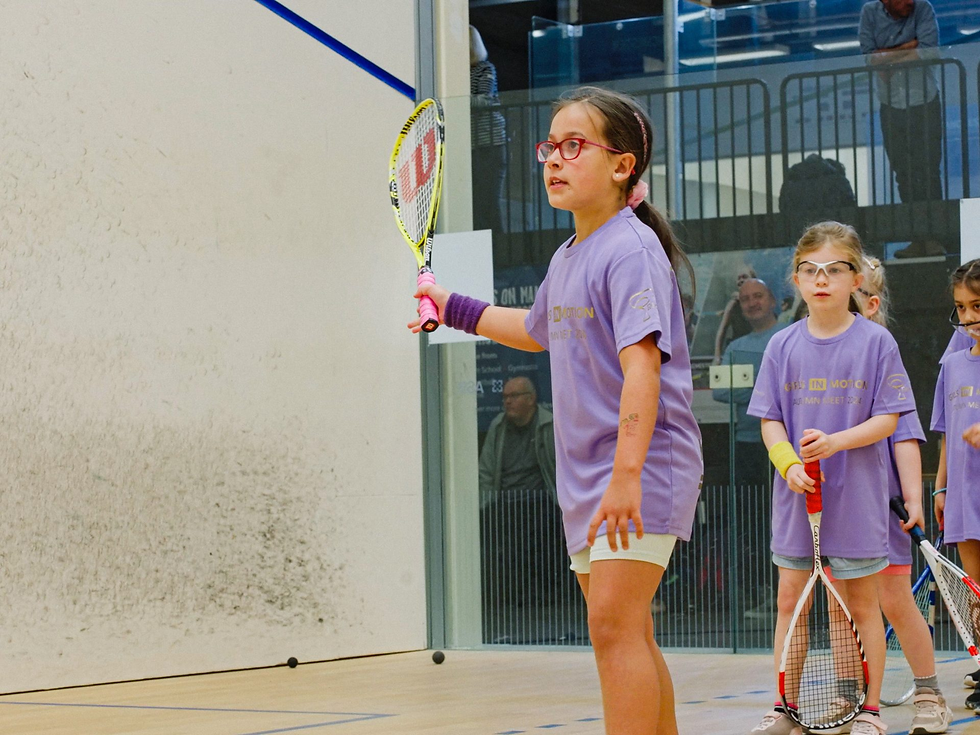
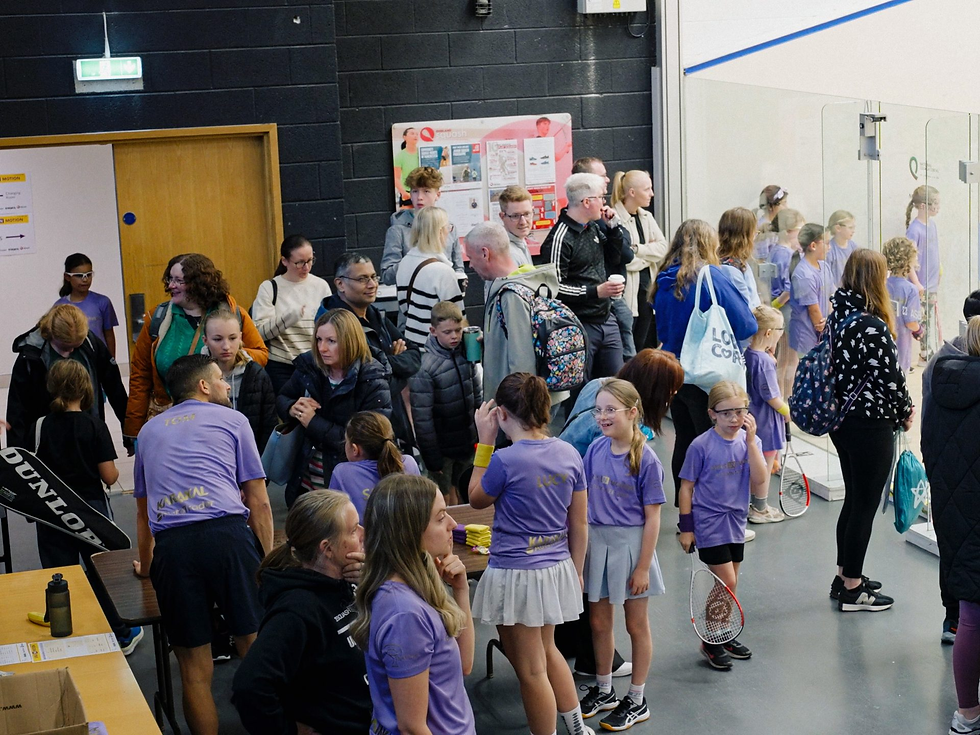
The charity’s cornerstone event, their Girls In Motion Junior Meets, brings together girls from different clubs to train, compete, and bond over a shared love of the game.
“The girls want to play girls,” Archibald says. “They’re excited to go to competitions and make friends and we’re trying to foster that and create a welcoming space that is unlike what they’re used to seeing when they think of a squash club.”
These meets, however, are not just about competition. They’re designed to foster a sense of community and belonging, something Archibald felt was missing from her own early encounters with squash.
“We wanted to create a festival – a junior girls’ festival where everyone can come together in one place, have some fun, and show them they are valued,” she says.
“It an event where girls are excited to come together and make friends, play with other girls and see that they’re not alone in the sport.”
The result is an environment where young girls feel seen and supported, a direct contrast to the isolating spaces where they often find themselves in sports.
Squash has long been a sport that prizes individual effort and self-discipline, yet it thrives in the hands of communities. Girls In Motion taps into that potential, connecting young female players to one another and to role models who can guide their development.
Female coaches, Archibald believes, are key to changing the dynamic. “At our events the girls absolutely love seeing female coaches on court, because some of them had never seen one before,” she explains. It’s a striking revelation in a sport that, at the elite level, boasts some of the most successful female athletes and pioneers equal prize money at the professional level.
Yet, at the grassroots, female coaches, female teams and opportunities for females to feel involved remain a rarity.
Archibald has made it a priority to increase the number of female coaches in the game, with a cornerstone of the charity being to offer sponsorships for women and girls to gain coaching qualifications – actively creating opportunities for them to work with county and national coaches.
“The girls want to be taught by girls; they want to see where they can go in the sport and have role-models to look at, at all levels,” she says. In a sport as mentally demanding as squash, where the margins for error are razor-thin, the ability to see oneself reflected in a coach can be transformative. It’s not just about technique – it’s about instilling belief.
The impact of Girls In Motion in the 18 months since it was founded has been nothing short of profound, but Archibald knows there’s more work to do. The charity started in the northwest of England, but its reach has quickly expanded.
“We’ve tested it in the northwest, and now we want to expand into other regions,” she says, noting the growing demand for more girls’ events. “Girls are traveling from as far as Yorkshire, Cumbria, and Northampton to participate.”
The success of these junior meets is a testament to the need for more opportunities like them. For these young girls, knowing they are part of something bigger – a network of other female players – is crucial for keeping them in the game.
While the charity’s junior programs are essential, Archibald’s vision extends beyond the immediate. She talks about the future with quiet determination, imagining a world where girls and women are fully integrated into the sport, not as an afterthought but as equals.
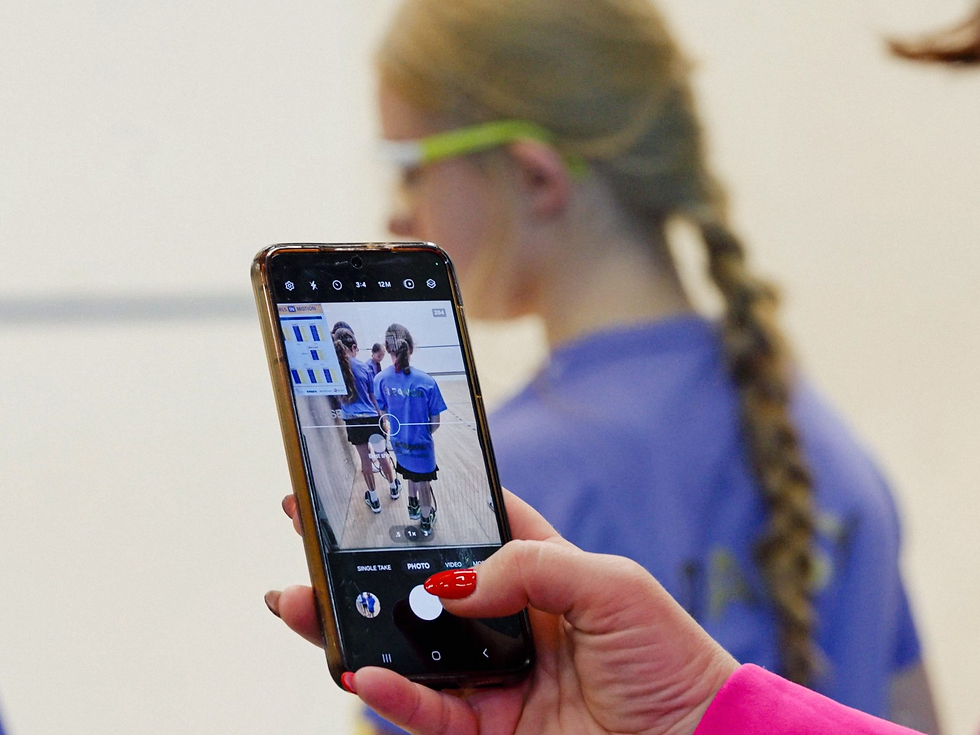

“We want the women’s and girls’ game to grow, and however that happens, it’s all positive,” she says. “The goal is to build a sustainable infrastructure that supports female participation at every level, from beginner to elite.”
The challenges are many, and Archibald is under no illusions about the uphill battle ahead. The structures of inequality in sport are deeply entrenched, and while squash is making strides at the professional level, grassroots efforts like Girls In Motion are crucial for long-term change. There is still a significant gender gap in participation, with only 21% of girls reporting regular engagement in sport compared to 39% of boys.
It’s a disparity Archibald is determined to address. “It’s not going to change overnight, but every step forward is progress,” she says.
For Archibald it is clear that this is about more than just squash. It’s about creating a movement that shifts the way we think about girls in sport altogether. Not just about ensuring equal access but dismantling the barriers that have kept girls from fully participating in sports for generations.
“Squash courts are designed like relics from the 70s and 80 – they don’t invite girls to feel welcome,” she says, with a keen understanding of the deeper cultural shifts that need to happen.
Yet, despite the challenges, Archibald remains optimistic. “We’re not precious about how it happens,” she says, referring to her hopes for expanding the program. “We just want the women’s and girls’ game to grow.”
In her hands, the future of women’s squash could be set to flourish – not from a battle against barriers, but from a shared vision of inclusion, visibility, and cultural growth.


Comments